Open almost any social media app, and you’ll soon find advice about eating healthier, exercising more, improving your metabolism, taking specific supplements and optimizing your hormones in pursuit of becoming your “best self.” The growing popularity of weight-loss medications, wellness influencers, and countless nutrition trends makes it challenging to separate helpful health advice from unhealthy pressure.
While genuine wellness encourages people to care for their physical and mental health, diet culture often prioritizes appearance and weight loss. That distinction is critical for women who have experienced trauma, anxiety, depression, substance use or disordered eating.
Rising Roads Recovery knows many women who struggle with mental health or addiction also have a complicated relationship with food. We offer our Food & Mood program to help our clients develop healthier eating habits while addressing the emotional patterns that influence them.
What Is Diet Culture?
Diet culture is a system of beliefs that equates thinness with health, success, beauty or self-discipline. It encourages the idea that eating less, weighing less and constantly trying to change your body are inherently virtuous pursuits.
Years ago, diet culture revolved around “skinny chic” and dramatic weight-loss plans. Today, it often wears a different disguise. Instead of counting carbs, calories and sugar, influencers now emphasize “clean eating” or the concept of “earning” your food through exercise, detoxes or overly restrictive routines.
While these approaches may sound more wholesome on the surface, they often promote the same underlying messages – some foods are inherently more virtuous than others, and your body is a problem that you must fix. This mindset can make it difficult to recognize when healthy intentions have crossed into unhealthy behaviors.
Defining What Wellness Means to You
Rather than focusing exclusively on your weight or appearance, wellness considers your physical, emotional, mental and social health as interconnected parts of your well-being. It encourages sustainable, flexible habits that improve your quality of life.
A wellness-focused approach might include eating balanced meals, finding enjoyable ways to stay active, getting adequate sleep, managing stress, nurturing meaningful relationships and seeking help when you’re struggling. It also recognizes that health doesn’t look the same for everyone and that your worth doesn’t hinge on your clothing size or calorie intake.
Perhaps most importantly, wellness recognizes that nobody is perfect, and that self-improvement doesn’t equal self-punishment. Missing a workout, enjoying dessert or taking a rest day won’t erase your progress or diminish your value.
Why Women Are Especially Vulnerable
Young girls often receive conflicting messages about food and their bodies from an early age – to enjoy life but not indulge too much and practice self-care while constantly striving to improve their appearance.
These pressures can become even more intense for women who have experienced trauma or struggle with anxiety, perfectionism or low self-esteem. Restrictive eating may begin as an attempt to lose weight, but it can also become a way to regain control during emotionally overwhelming periods.
Recent conversations surrounding GLP-1 medications have also intensified the cultural focus on eating less and losing weight. These prescription drugs can be beneficial for people with appropriate medical needs when prescribed and monitored by a healthcare professional. However, the broader conversation has also reinforced the idea that anyone can benefit from appetite suppression, regardless of their individual health needs.
When the pursuit of thinness overshadows the pursuit of health, you may begin measuring success by how little you eat instead of how well you take care of yourself.
When Healthy Habits Become Unhealthy
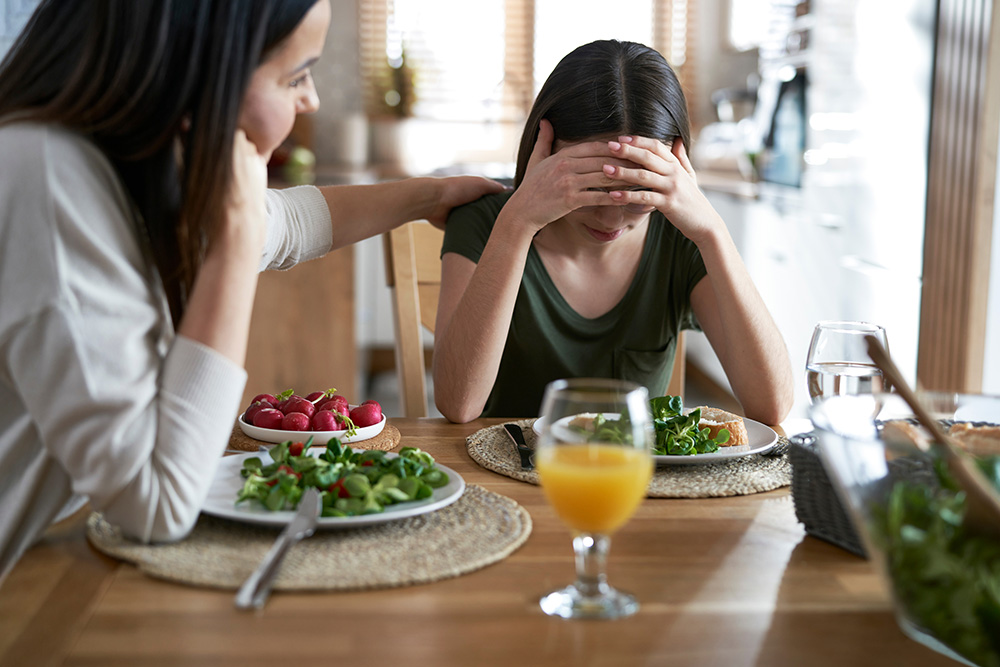
Healthy habits become problematic when they stem from fear, guilt or rigid rules instead of balance. You may benefit from reevaluating your relationship with food if you:
- Feel anxious after eating certain foods.
- Skip meals to compensate for what you ate earlier.
- Avoid social events involving food.
- Believe you’ve “failed” when you eat something you consider unhealthy.
- Ignore your body’s hunger signals.
- Think about food, calories or your weight for much of the day.
- Feel proud of yourself for eating as little as possible.
These behaviors don’t always develop into a diagnosable eating disorder, but they can still interfere with your emotional well-being and ability to enjoy life.
Healing Your Relationship With Food
For many women, learning to view nutrition as an act of self-care rather than self-control means replacing all-or-nothing thinking with curiosity and compassion. Instead of holding yourself to an impossibly high standard and berating yourself when you inevitably fall short, you begin asking yourself questions like, “Did I nourish myself?” “Am I honoring my body’s needs?” and “How does this choice make me feel physically and emotionally?”
This shift takes time, particularly if you’ve spent years believing that your value depends on your appearance or your ability to restrict what you eat. But healing is possible.
Rising Roads Recovery understands that eating habits don’t exist in isolation. Trauma, anxiety, depression, substance use and emotional stress can all affect your relationship with food. Instead of promoting restrictive diets or unrealistic standards, we’ll provide therapeutic support and compassionate guidance, helping you learn to recognize emotional eating patterns, move beyond guilt and shame and build sustainable habits that help you feel at home in your body again.
Wellness Should Support Your Life, Not Control It
If meals make you anxious, isolated, guilty or consumed by thoughts about food and weight, it may be time to reconsider whether you’re chasing wellness or following diet culture under a different name.
True wellness doesn’t demand perfection. It supports your body, mind and emotional well-being with flexibility, balance and self-compassion.
If you’re ready to move beyond restrictive food rules and rediscover a healthier relationship with yourself, contact us today to learn how we can help you break free from the emotional burden of diet culture and begin healing from the inside out.